

 9 March 2026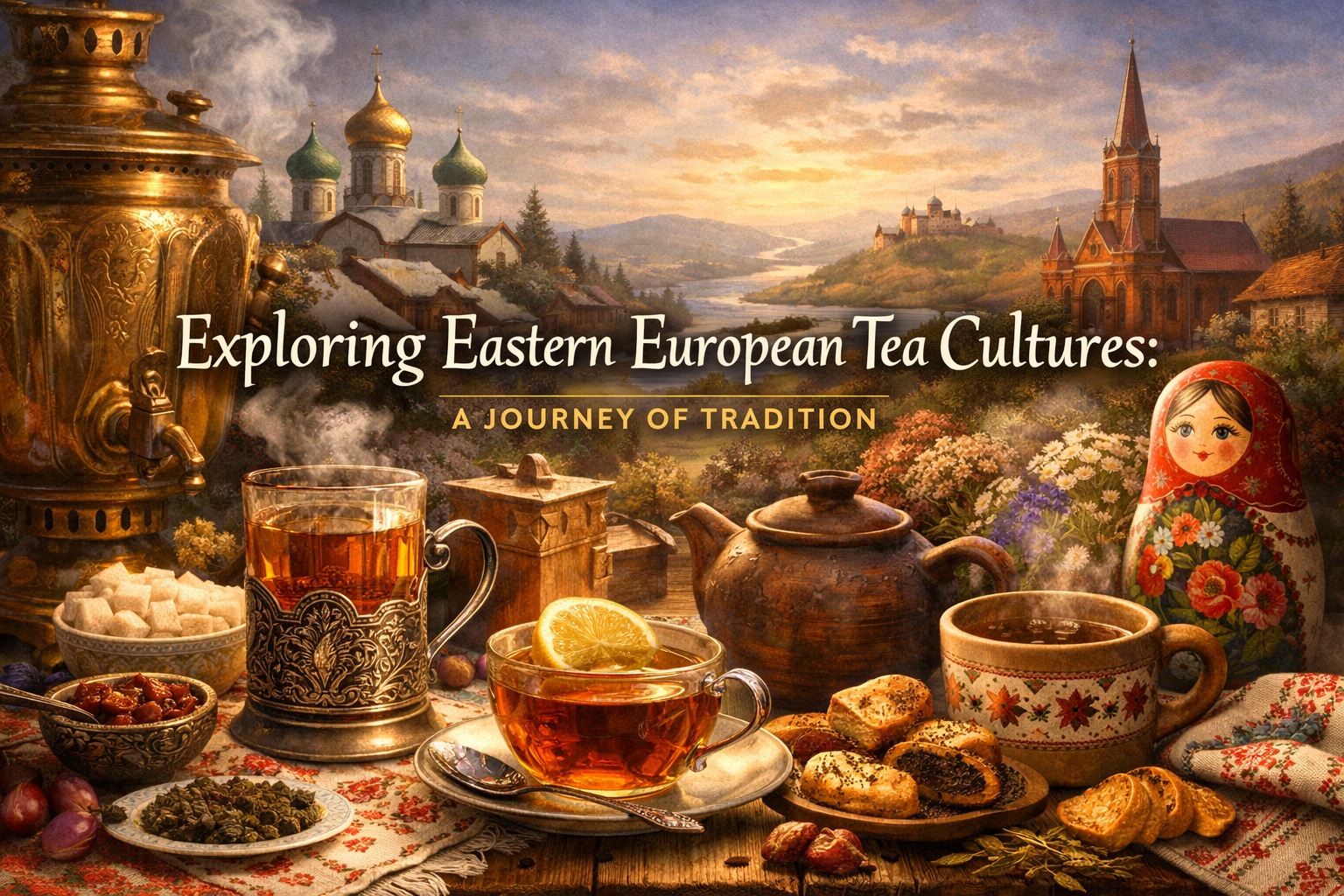
Introduction
Eastern Europe’s tea culture is a tapestry of rich traditions and rituals. At C Tea House, inspired by our roots, we celebrate these unique customs, bringing the warmth and charm of Eastern European tea practices to tea lovers worldwide. Our journey into the world of tea began with a deep appreciation for the ceremonial aspects and unique flavors that define this region’s Eastern European tea culture. The essence of Eastern European tea culture is reflected in every cup we serve.
History of Tea in Eastern Europe
Tea’s journey into Eastern Europe is a tale of trade and cultural exchanges. The Silk Road and other trade routes introduced tea to the region in the 16th and 17th centuries, where it quickly became a cherished beverage. Countries like Russia, Poland, and Ukraine embraced tea, weaving it into their cultural fabric.
As we delve deeper into Eastern European tea culture, we discover how each country has its own unique approach to tea preparation and enjoyment, enriching the overall tapestry.
In Russia, tea arrived in the 17th century, becoming an essential part of daily life. The Russian aristocracy popularized tea, and it soon spread across social classes. The trade with China through Siberia brought unique tea blends to Russian tables, and it became a staple in Russian homes.
Similarly, in Poland and Ukraine, tea became a symbol of hospitality and warmth. The introduction of tea to these regions was influenced by both Eastern traditions and Western European trends, creating a unique blend of practices.
This diverse approach to tea exemplifies the beauty of Eastern European tea culture, where every gathering tells a story.
Unique Tea Traditions
Russia and the Samovar
The samovar, a traditional Russian tea urn, is central to Russian tea culture. It’s not just a tool for brewing tea but a symbol of hospitality and community. Families gather around the samovar, enjoying tea with lemon, sugar, or even jam. This ritual fosters connection and conversation, creating a warm and inviting atmosphere.
The samovar itself is an art piece, often intricately designed and reflecting the craftsmanship of its maker. It serves as a centerpiece in Russian homes, a testament to the importance of tea in daily life. Russian tea is often strong and black, served in small glasses, and sometimes complemented by sweet treats like pryaniki (spiced cookies).
The samovar not only represents Russian tea culture but also embodies the broader significance of Eastern European tea culture, emphasizing community and togetherness.
Polish Tea Customs
In Poland, tea is often enjoyed with a splash of fruit juice or lemon, adding a unique twist to the traditional brew. Polish tea parties are social events, where friends and family gather to share stories over a warm cup. The tradition of serving tea with pastries or sandwiches adds to the experience, making it a delightful social occasion.
This delightful twist showcases how Eastern European tea culture adapts and evolves, reflecting local tastes and preferences.
Poles have a penchant for flavored teas, often mixing black tea with raspberries, cherries, or other fruits. This creates a refreshing blend that is both aromatic and visually appealing. The act of preparing and serving tea is an expression of care and hospitality, embodying the warmth of Polish culture.
Ukrainian Herbal Teas
Ukraine is known for its herbal teas, often made from locally sourced herbs and flowers. These teas are not only enjoyed for their flavors but also for their medicinal properties. Ukrainian tea rituals emphasize relaxation and wellness, offering a moment of peace in the day.
These herbal teas are a testament to the healing traditions found within Eastern European tea culture, where nature’s bounty is celebrated.
Herbal infusions in Ukraine include ingredients like chamomile, mint, and rose hips, each chosen for its unique health benefits. These teas are a staple in Ukrainian households, often served to guests as a gesture of kindness and hospitality. The preparation of these herbal blends is a cherished tradition, passed down through generations.
Popular Tea Varieties
Eastern Europe boasts a variety of loose leaf teas that reflect its diverse cultures. Russian Caravan, a blend with a smoky aroma, is reminiscent of historic trade routes. This tea is a blend of Chinese, Indian, and Ceylon teas, offering a robust flavor profile that is both bold and intriguing.
Herbal blends, rich with chamomile, mint, and berries, are popular in Ukraine and Poland. These teas are typically enjoyed with simple accompaniments, allowing the flavors to shine. Whether sipped slowly in the afternoon or shared during a festive gathering, each cup tells a story of tradition and community.
Tea and Social Life
Tea plays a vital role in Eastern European social life. It symbolizes hospitality and is often the centerpiece of gatherings. In Russia, offering tea is a sign of friendship and respect. The tradition of tea drinking is deeply ingrained in social interactions, often accompanied by lively discussions and shared experiences.
Sharing tea in this manner illustrates the fundamental role of Eastern European tea culture in nurturing relationships.
In Poland and Ukraine, tea is a comforting presence during both celebrations and reflective moments. It is served at weddings, funerals, and family gatherings, a constant element that brings people together. Stories and laughter are shared over tea, strengthening bonds and creating memories.
At C Tea House, we aim to capture this essence, providing a space where tea lovers can connect and enjoy these cherished traditions. We believe that tea is more than just a beverage; it’s a bridge that connects people across cultures and generations.
Modern Tea Trends
While Eastern European tea traditions are steeped in history, they are also evolving, blending the old with the new. Modern influences have introduced new flavors and styles, enriching Eastern European tea culture. Teas infused with fruits, spices, and even CBD are gaining popularity, offering fresh takes on classic practices.
Despite these modern twists, the essence of Eastern European tea culture remains unchanged. It’s about connection, warmth, and the simple joy of sharing a cup with others. The rise of specialty tea shops and cafes has brought a renewed interest in traditional teas, allowing a new generation to explore and appreciate these timeless practices.
This renewed interest in Eastern European tea culture invites both locals and tourists to experience its rich traditions.
Conclusion
Eastern European tea cultures offer a rich and diverse experience, filled with history and tradition. At C Tea House, we invite you to explore these cherished customs, whether it’s through a classic samovar experience or a modern herbal blend. Our selection of teas is carefully curated to reflect the unique flavors and traditions of Eastern European tea culture, providing a journey through its heart and soul.
By understanding and embracing these traditions, we not only honor our roots but also share the timeless joy of tea with the world. Join us at C Tea House, where every cup is a journey through the heart of Eastern Europe. Let us guide you through the rich landscapes of flavor and tradition, one sip at a time.
By understanding and embracing these traditions, we not only honor our roots but also share the timeless joy of Eastern European tea culture with the world.
Our Origin
Eastern European tea traditions remind us that tea is more than just a drink. It is about warmth, hospitality, and bringing people together. At C Tea House, this spirit is part of our story as well. Our journey began as Crepes Tea House, a small café where tea was served alongside crepes and conversation. Over time, our passion for loose leaf tea grew into something bigger, leading to the creation of C Tea House. Today we continue exploring tea cultures from around the world and sharing them with our community, one cup at a time. Check our origin restaurant at crepesteahouse.com!