

 7 April 2026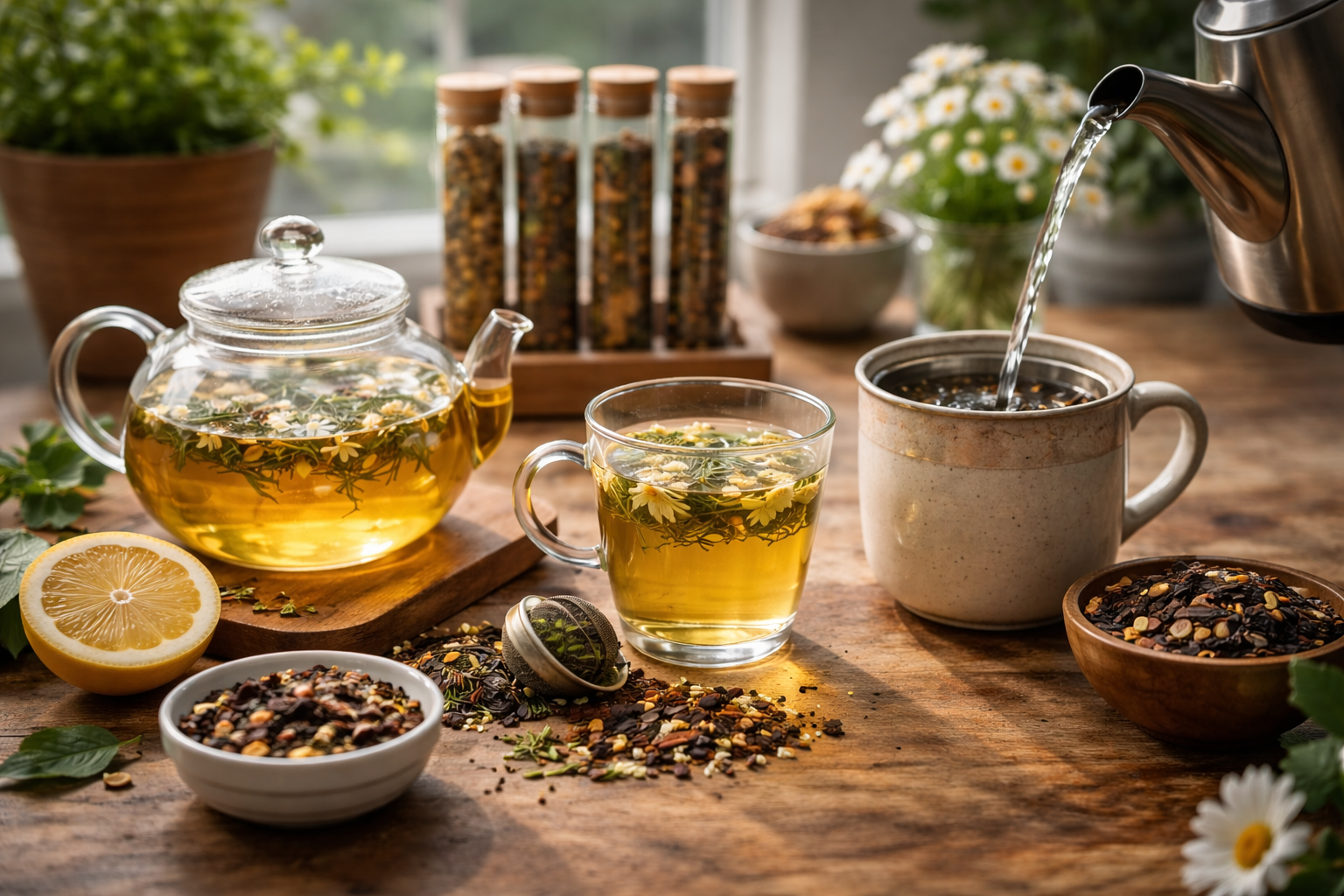
How to Brew Loose Leaf Tea the Right Way
If you have ever made tea that tasted too weak, too bitter, or just not quite right, the issue usually comes down to technique. Learning how to brew loose leaf tea properly makes all the difference in flavor, aroma, and overall experience.
Loose leaf tea is designed to expand fully, releasing its natural oils and flavors. But to get the best results, you need the right balance of water temperature, steeping time, and tea quantity.
At C Tea House, we always say that great tea is not complicated, but it is intentional. Once you understand how to brew loose leaf tea the right way, every cup becomes consistently better.
The 3 Essentials of Brewing Loose Leaf Tea
Before breaking down each tea type, there are three core principles that apply to all loose leaf tea.
1. Use the Right Amount of Tea
A general rule is:
- 1 to 1.5 teaspoons of loose leaf tea per 8 oz cup
Larger leaves may require slightly more space, while denser teas may need less.
2. Pay Attention to Water Temperature
Different teas require different temperatures. Using water that is too hot can burn delicate leaves, while water that is too cool may not extract enough flavor.
3. Control Steeping Time
Steeping too long often leads to bitterness, especially with green and white teas. Timing matters just as much as temperature.
Brewing Temperatures and Times by Tea Type
Understanding how to brew loose leaf tea means adjusting your method based on the type of tea you are using. Each category has its own ideal conditions.
Black Tea
Temperature: 200 to 212°F
Steep Time: 3 to 5 minutes
Black tea is one of the most forgiving teas to brew. It can handle higher temperatures and longer steep times without becoming overly delicate.
Nuances:
- Great for stronger flavor and caffeine
- Can be brewed slightly longer for boldness
- Works well with milk, sugar, or spices
This makes black tea a reliable daily option, especially for those transitioning from coffee.
Green Tea
Temperature: 160 to 180°F
Steep Time: 2 to 3 minutes
Green tea is much more sensitive and requires lower temperatures to avoid bitterness.
Nuances:
- Water that is too hot will make it taste sharp or bitter
- Shorter steep times keep it smooth and fresh
- Ideal for light, clean energy
If your green tea ever tastes harsh, it is almost always due to water being too hot.
White Tea
Temperature: 160 to 175°F
Steep Time: 2 to 4 minutes
White tea is the most delicate of all tea types. It requires gentle handling to preserve its subtle flavor.
Nuances:
- Very light and slightly sweet
- Can be steeped longer without strong bitterness
- Leaves are often larger, so give them room to expand
White tea is perfect when you want something soft and calming.
Oolong Tea
Temperature: 180 to 200°F
Steep Time: 3 to 5 minutes
Oolong sits between green and black tea, offering a wide range of flavor profiles.
Nuances:
- Can be re-steeped multiple times
- Flavor can range from floral to roasted
- Adjust steep time based on desired strength
Oolong is one of the most versatile teas and rewards experimentation.
Herbal Tea
Temperature: 200 to 212°F
Steep Time: 5 to 7 minutes
Herbal teas are not technically “tea” since they do not come from the tea plant, but they follow their own brewing rules.
Nuances:
- No caffeine
- Can handle longer steep times
- Often made with fruits, flowers, and herbs
Longer steeping helps fully extract flavor from ingredients like dried fruits and flowers.
Chai Tea
Temperature: 200 to 212°F
Steep Time: 5 to 7 minutes
Chai is typically a blend of black tea and spices, making it bold and full-bodied.
Nuances:
- Often best brewed strong
- Can be simmered instead of just steeped
- Pairs well with milk for a richer experience
Chai is less about precision and more about depth and richness.
Red Tea (Rooibos)
Temperature: 200 to 212°F
Steep Time: 5 to 7 minutes
Red tea, commonly known as rooibos, is naturally caffeine free and very smooth.
Nuances:
- Does not become bitter easily
- Can steep longer for stronger flavor
- Naturally slightly sweet
This makes it a great option for evening tea or for those avoiding caffeine.
Common Mistakes When Brewing Loose Leaf Tea
Even with the right information, small mistakes can impact your tea. When learning how to brew loose leaf tea, watch out for these:
- Using boiling water for delicate teas like green or white
- Not steeping long enough for herbal or chai blends
- Using too little tea, resulting in weak flavor
- Overcrowding leaves so they cannot expand
Fixing these small issues can dramatically improve your results.
Tools That Make Brewing Easier
You do not need anything complicated, but a few tools can make brewing loose leaf tea more enjoyable:
- Tea infuser or strainer
- Teapot with a built-in filter
- Temperature-controlled kettle (optional but helpful)
These tools help you stay consistent and get the most out of your tea.
Why Brewing Loose Leaf Tea Correctly Matters
Learning how to brew loose leaf tea properly is not just about avoiding mistakes. It is about unlocking the full experience.
When brewed correctly, loose leaf tea offers:
- Richer and more accurate flavor
- Better aroma
- More beneficial compounds
At C Tea House, every blend is crafted to shine when brewed the right way. Taking a little extra care in the process ensures you are getting everything the tea has to offer.
Final Thoughts
Mastering how to brew loose leaf tea is one of the simplest ways to upgrade your daily routine. With the right temperature, timing, and technique, you can turn an average cup into something exceptional.
Each type of tea has its own personality, and learning how to bring out its best qualities is part of the experience.
Once you get the hang of it, brewing tea becomes second nature. And more importantly, it becomes something you look forward to every day.
Our Origin
Eastern European tea traditions remind us that tea is more than just a drink. It is about warmth, hospitality, and bringing people together. At C Tea House, this spirit is part of our story as well. Our journey began as Crepes Tea House, a small café where tea was served alongside crepes and conversation. Over time, our passion for loose leaf tea grew into something bigger, leading to the creation of C Tea House. Today we continue exploring tea cultures from around the world and sharing them with our community, one cup at a time. Visit our restaurant site at crepesteahouse.com!